
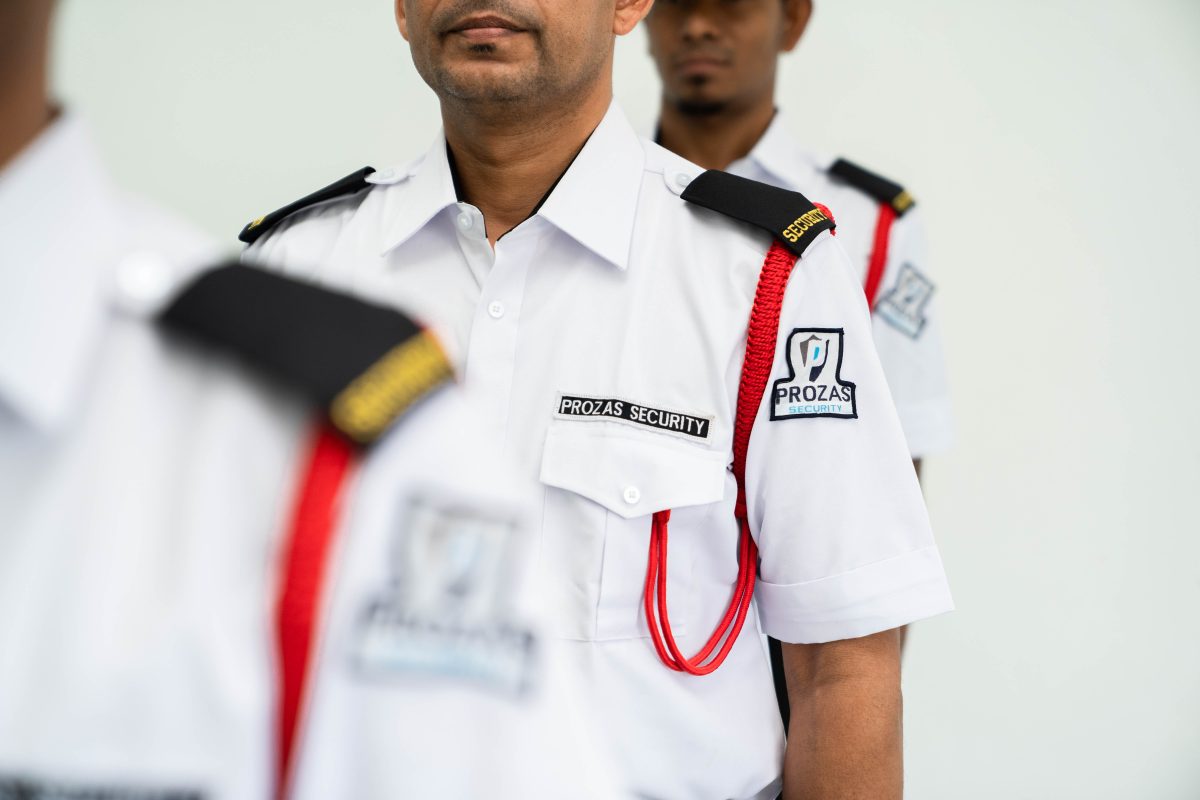
Cash-in-transit (CIT) security services play a critical role in Malaysia’s financial and commercial ecosystem. These services ensure the safe movement of cash, cheques, and other high-value assets between banks, retail outlets, ATMs, and financial institutions. Given the high-risk nature of cash transportation, professional CIT security providers are essential for preventing theft, robbery, and loss during transit.
WHAT IS CASH-IN-TRANSIT SECURITY?
Cash-in-transit security refers to specialized services that manage the secure transportation of money and valuable assets from one location to another. This process is typically handled by trained security personnel using armored vehicles equipped with advanced security systems.
In Malaysia, CIT services are widely used by banks, hospitals, shopping malls, retail chains, and corporate organizations that handle large volumes of cash daily. The primary objective is to ensure that all assets reach their destination safely without incident.
IMPORTANCE OF CASH-IN-TRANSIT SERVICES IN MALAYSIA
With a growing economy and high cash circulation in various sectors, the demand for secure cash transportation has increased significantly.
Cash-in-transit security is important because it:
- Reduces the risk of armed robbery and theft
- Ensures safe cash movement between business locations
- Supports banking operations and ATM cash replenishment
- Enhances financial system efficiency and reliability
- Protects employees involved in cash handling operations
Without proper CIT services, businesses would face higher financial risks and operational disruptions.
KEY FEATURES OF PROFESSIONAL CIT SECURITY SERVICES
Modern cash-in-transit security services combine trained personnel, secure vehicles, and strict operational protocols.
Key features include:
- Armored and GPS-tracked vehicles
- Highly trained armed security personnel
- Secure cash handling and sealing procedures
- Real-time tracking and communication systems
- Route planning and risk assessment
- Strict access control and chain-of-custody documentation
- Emergency response protocols
These features ensure that every cash movement is monitored, controlled, and protected from potential threats.
RISKS AND CHALLENGES IN CASH TRANSPORTATION
Despite strict security measures, cash-in-transit operations still face various risks that require constant vigilance.
Common challenges include:
- Armed robbery attempts during transit
- Insider threats and security breaches
- Route predictability and surveillance by criminals
- Vehicle breakdowns or operational delays
- High-risk delivery zones in urban areas
- Coordination issues during multi-location deliveries
To mitigate these risks, security companies continuously update their procedures and adopt advanced technologies.
HOW TO CHOOSE A RELIABLE CASH-IN-TRANSIT SECURITY PROVIDER IN MALAYSIA
Selecting the right CIT security provider is crucial for ensuring safety and operational efficiency.
Key factors to consider include:
- Licensing and compliance with Malaysian security regulations
- Experience in handling banking and retail cash logistics
- Availability of armored vehicles and trained armed guards
- Strong track record in incident prevention and response
- Advanced tracking and monitoring systems
- 24/7 operational support and emergency readiness
- Reputation and client references
A professional CIT provider ensures that cash movement is handled with maximum security and minimal risk exposure.
CONCLUSION: BENEFITS OF CASH-IN-TRANSIT SECURITY SERVICES
Investing in professional CIT services provides significant operational and financial advantages.
Benefits include:
- Enhanced protection of cash and valuables
- Reduced risk of theft and financial loss
- Improved efficiency in cash management operations
- Increased trust among financial and retail partners
- Compliance with security and banking standards
- Peace of mind for businesses handling large cash volumes
As cash-based transactions remain an important part of Malaysia’s economy, cash-in-transit security services continue to be a vital component in maintaining financial safety and operational stability.