
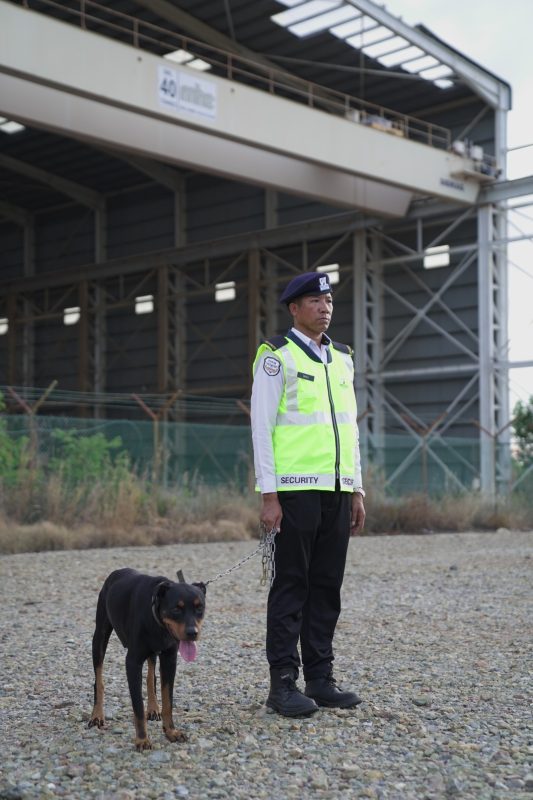
Oil and gas facilities and other industrial sites may contain valuable assets, restricted operational areas and equipment that requires controlled access. Their security arrangements should reflect the facility’s operations, layout and identified risks.
Prozas Security lists oil and gas facilities among the environments covered by its industrial security services. The company also identifies Mobile Security Patrols (MSP), Emergency Response Teams (ERT), Centralized Monitoring Systems (CMS) and K9 units among its security offerings.
What Makes High-Risk Site Security Different ?
High-risk sites may have extensive perimeters, multiple entry points, contractor movements and areas where access must be restricted.
Security planning should identify critical areas, establish access procedures and define how incidents are reported. It should also coordinate with the facility’s existing safety, operational and emergency management procedures.
The exact requirements vary between facilities. A security arrangement suitable for one industrial site may not be appropriate for another.
How Can Oil and Gas Security Services Support Site Protection ?
Depending on the agreed scope, security arrangements may include:
- Monitoring designated entrances and exits.
- Checking authorised access.
- Conducting perimeter patrols.
- Observing suspicious activity and reporting incidents.
- Coordinating with authorised site personnel.
- Following established communication and escalation procedures.
Businesses should clarify the responsibilities of security personnel and ensure that the arrangement complements the facility’s operational requirements.
What Is a K9 Security Unit ?
A K9 security unit is a security team involving trained canine personnel. Depending on the team’s capabilities and the agreed scope, K9 units may support selected patrol or security activities.
Before arranging K9 security, a facility should confirm the unit’s intended role, deployment requirements, handling procedures and coordination with other personnel.
K9 units should not be treated as a replacement for access control, appropriate guarding or other necessary security measures. Their suitability depends on the environment and the service requirements.
How to Plan Security for a High-Risk Facility
A practical planning process should include:
- Identify critical areas, access points and security concerns.
- Review existing procedures and incident records.
- Determine the required guarding, patrol and monitoring arrangements.
- Establish communication and incident escalation procedures.
- Coordinate security arrangements with site management and emergency plans.
- Review the arrangement when operations or site conditions change.
Security planning should be proportionate to the site’s actual risks and must not replace applicable industrial safety requirements.
FAQs About High-Risk Site Security
1. What should businesses consider when selecting an oil and gas security provider?
Review relevant experience, service scope, personnel, supervision, reporting arrangements and the provider’s ability to meet the facility’s requirements.
2. Can K9 units support industrial security?
They may support selected security activities where appropriate to the site and the team’s capabilities. Deployment should be agreed with the provider.
3. Can an Emergency Response Team complement regular guarding?
An ERT may support an agreed incident response arrangement. Its role, capabilities and coordination with the facility’s own emergency procedures should be confirmed before deployment.
Discuss High-Risk Site Security with Prozas Security
Prozas Security lists industrial security, K9 units, mobile patrols and ERT among its offerings. Businesses should confirm the availability, scope and suitability of the required services directly with the company.